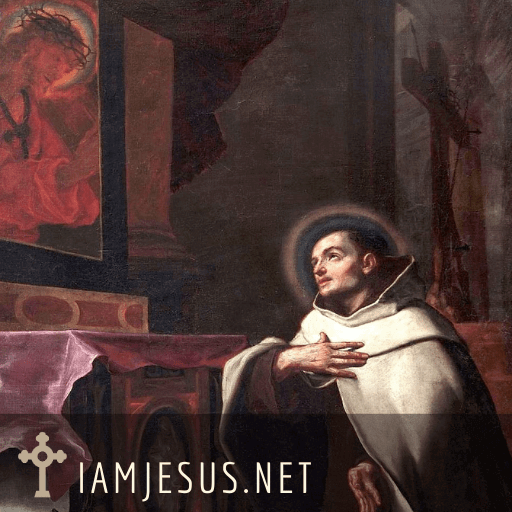
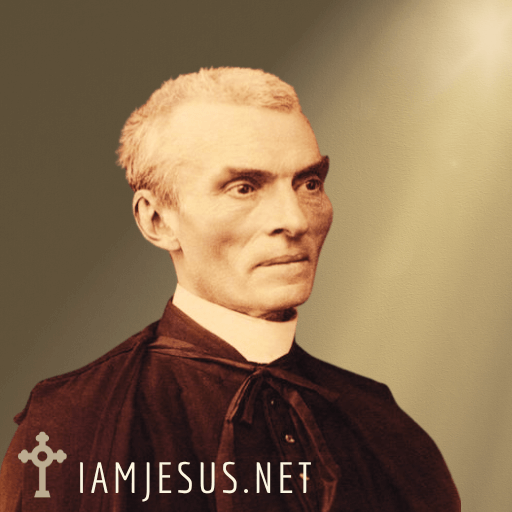
The author of Stanzas of the Soul, Saint John of the Cross, was born on June 24, 1542 in Spain. Stanzas of the Soul shows the journey a soul takes from its bodily home to its union with God. The journey is called “The Dark Night”, because darkness represents the hardships and difficulties of the soul in its journey toward detachment from the world and union with God.
The Life of St John of the Cross
Named Juan de Yepes y Alvarez, he was third born son of Gonzalo de Yepes and Catalina Alvarez. John’s father came from a wealthy family in the silk trade, but he married a poor woman and this displeased his family so much that they disowned him.
Gonzalo, his wife, and their three children suffered a great hardship. In 1543, when John was still a baby, Gonzalo died and left his family destitute. John’s middle brother, the second eldest, died within a few years of Gonzalo.
Because of their poverty, John was sent to a Catholic orphanage in Medina del Campo. During this period, John became an acolyte at the Convent of Augustinian Nuns. John served in the sacristy there every morning. This experience gave him a love of the sacred and an early formation in the catechism of the church.
As a young man John joined a Carmelite monastery. Then at the University of Salamanaca studied theology and philosophy. In 1567 he met St. Teresa de Ávila and together they forged a spiritual friendship that helped to reform the Carmelite order and ultimately found the Discalced Carmelites. But this came at great suffering and sacrifice.
When John was about 35 years old, about a year after meeting St. Teresa de Ávila, his own community of monastic brothers kidnapped and imprisoned him on suspicion because they were opposed to his desire to reform their order. John was imprisoned for 9 months in a monastery in isolation and silence.
It was there, as he languished, that the caterpillar of his old self dissolved and the butterfly of his authentic being grew its wings. . . .
“His prison cell, a stone room barely large enough for his body, had formerly been a latrine. His single robe rotted from his body in the fetid heat of summer, and in winter he shivered in the rag that remained. Several times a week, the brothers brought him out to be flogged while they enjoyed their midday meal. Otherwise, he sat in the darkness, tracking the stars through the single small window, high up in the wall of his cell. . . .
“Doubt began to infiltrate his psyche and, though he clung to the life-raft of faith, it began to disintegrate in his hands and he drifted into despair. Like Jonah in the belly of the fierce fish (an analogy John later evoked when he wrote the commentary to Dark Night of the Soul), the imprisoned friar found himself suspended in the void. He was unable to move toward any kind of hopeful future, or backward to the innocent idealism that had led to his being swallowed up in this terrible emptiness.
“It was painful enough for him to wonder if God had given up on him, but the true agony descended when he began to find himself giving up on God. At last, he simply ran out of energy and let himself down into the arms of radical unknowingness—which is where the transmutation of the lead of his agony began to unfold into the gold of mystical poetry. . . .
“Like the Bride in the Scripture he loved best—the Song of Songs—John went ‘tracking the sandal-mark’ of his Beloved through the streets and plazas of his ravaged heart and, finding no trace of the One who ‘wounded his soul and set it on fire,’ converted his yearning into sublime love-language. It is the fruit of that alchemy that sustained the poet in his imprisonment and has continued to feed the rest of us for five centuries.”
To learn more, visit our biography page on St. John of the Cross, Doctor of Divine Love.
"Stanzas of the Soul" by St. John of the Cross
Translation by David Lewis (1909)
On a dark night,
Kindled in love with yearnings
— oh, happy chance! —
I went forth without being observed,
My house being now at rest.
In darkness and secure,
By the secret ladder, disguised
— oh, happy chance! —
In darkness and in concealment,
My house being now at rest.
In the happy night,
In secret, when none saw me,
Nor I beheld aught,
Without light or guide,
save that which burned in my heart.
This light guided me
More surely than the light of noonday
To the place where he (well I knew who!) was awaiting me—
A place where none appeared.
Oh, night that guided me,
Oh, night more lovely than the dawn,
Oh, night that joined Beloved with lover,
Lover transformed in the Beloved!
Upon my flowery breast,
Kept wholly for himself alone,
There he stayed sleeping,
and I caressed him,
And the fanning of the cedars made a breeze.
The breeze blew from the turret
As I parted his locks;
With his gentle hand
he wounded my neck
And caused all my senses to be suspended.
I remained, lost in oblivion;
My face I reclined on the Beloved.
All ceased and I abandoned myself,
Leaving my cares forgotten among the lilies.
More Saintly Intercessions and Devotions
From powerful prayers for priests to profound mystical meditations, the saints have left behind a rich treasury of devotion. Select a post below to find new companions for your daily prayer life and learn to pray with the fervor of the mystics.