

Have you ever wondered about the secret spiritual practices of Catholic saints that brought them closer to God? Many saints have relied on the power of mental prayer and lectio divina to deepen their faith and connect closely with the Lord. When you combine mental prayer habits with lectio divina, you will unlock a treasure trove of spiritual insights and develop peace in your soul even when faced with the trials of life.
I Am Jesus offers our prayer community hundreds of resources that introduce mental prayer habits for our visitors. But have you ever wondered where the idea of using your imagination in prayer comes from? We will look at 6 Catholic saints who were well known for their mental prayer habits and are good resources to know about as you begin your journey of faith through imaginative scripture meditation practices.
So, let’s explore how good mental prayer habits during daily scripture reading time will help you grow in virtue and holiness. Whether you are curious about deepening your own spiritual journey or just fascinated by the lives of saints, you’ll find inspiration in their stories and mental prayer habits. Keep reading to discover how these canonized saints discovered a deep connection with God through these ancient prayer practices.
Saints Known for Mental Prayer Habits
Mental prayer is a spiritual exercise that brings one’s mind and heart closer to God. It involves silent, internal conversation with the Lord, and many saints have cultivated this discipline to deepen their relationship with God. Let’s explore a few renowned saints who are celebrated for their commitment to mental prayer.
St. Teresa of Ávila: The Interior Castle
St. Teresa of Ávila, one of the great mystics of the Catholic Church, is best known for her spiritual masterpiece “The Interior Castle.” In this work, she describes the soul as a magnificent castle with many rooms, symbolizing the different stages of spiritual growth. Mental prayer, for Teresa, was the key to traversing these rooms and drawing closer to God.
Teresa taught that mental prayer habits were essential for entering the inner chambers of one’s soul. She encouraged her followers to engage in silence and solitude, allowing them to listen to God’s voice within. For her, mental prayer was not just a practice but a journey towards self-discovery and divine intimacy. Through this silent dialogue, she believed that one could gain clarity, strength, and peace in the presence of God.

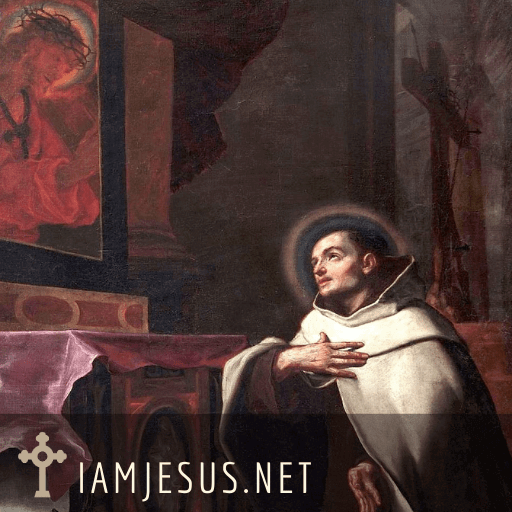
St. John of the Cross: The Dark Night of the Soul
St. John of the Cross, a mystical poet and theologian, expanded upon the concept of mental prayer through his profound work, The Dark Night of the Soul. This masterpiece is a reflection on the spiritual loneliness and trials one faces on the path to divine union. John’s teachings center on the idea that mental prayer is crucial during these challenging times.
John illustrated that the “dark night” is a period of purification, where the soul detaches from worldly desires to become more receptive to God’s presence. Mental prayer plays a significant role in persevering through this darkness. By surrendering to God in prayer, believers can find light and guidance amidst their spiritual struggles. St. John of the Cross’s insights remind us that even when we feel lost, mental prayer can lead us to spiritual awakening and enlightenment.
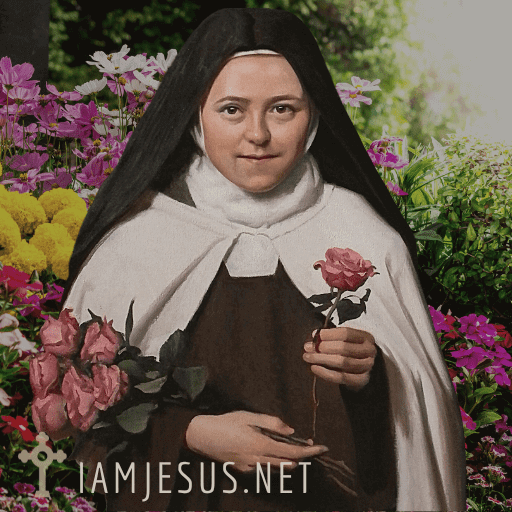
St. Thérèse of Lisieux: The Little Way
St. Thérèse of Lisieux, affectionately known as the Little Flower, introduced a simple yet profound approach to mental prayer through her spiritual philosophy called “The Little Way.” This method emphasizes approaching God with childlike trust and love, focusing on small acts of faith and devotion rather than grand gestures.
Thérèse believed that mental prayer habits don’t require elaborate rituals or complex methods. Instead, she advocated for simple, honest conversations with God. For her, every moment of life was an opportunity to connect with God. Whether it was through ordinary tasks or moments of silence, Thérèse showed that mental prayer is accessible to everyone, regardless of their spiritual stature. Her teachings inspire us to find God in the everyday, elevating the mundane to the miraculous through sincere prayer.
Saints Who Practiced Lectio Divina
Next, let’s discuss lectio divina, or divine reading; it is an ancient practice of scriptural meditation that involves four stages: reading, meditation, prayer, and contemplation. This method allows individuals to engage deeply with the Word of God, leading to transformative spiritual experiences.
Here are some saints who championed the practice of lectio divina:
St. Benedict of Nursia and the Rule of Benedict
St. Benedict of Nursia, the father of Western monasticism, emphasized the value of lectio divina in his Rule of Benedict. The Rule, a guide for monastic life, highlights the importance of spiritual reading and for Benedict, lectio divina was integral to monastic life, promoting discipline and devotion among the monks.
He viewed this practice as a sacred encounter with Scripture, where the reader listens attentively, seeking to understand and apply God’s word in their daily lives. The stages of lectio divina encouraged monks to extract spiritual wisdom from the text and use it as a foundation for contemplation and prayer. Benedict’s teachings remind us that scripture is not merely a text to be studied but a living conversation with God.
St. Augustine and the Transformative Power of Scripture
St. Augustine, one of the most influential theologians in the early church, experienced a profound conversion through the power of scripture. His journey to faith was marked by an intense engagement with God’s Word, leading him to embrace lectio divina as a transformative practice.
Augustine’s life was forever changed after reading a passage from Romans, which he stumbled upon during a moment of personal crisis. This experience shows the practice of lectio divina can transform your life through divine revelation when you incorporate it in your walk with Christ. Augustine encouraged believers to immerse themselves in scripture, allowing God’s voice to echo in their hearts and reshape their lives. His conversion story testifies to the power of lectio divina—not just to read the word of God but to let it read us, guiding our path toward spiritual renewal.
St. Jerome and the Devotion to Studying the Bible
St. Jerome, renowned for translating the Bible into Latin, exhibited a lifelong devotion to studying and understanding scripture. His dedication highlights the importance of lectio divina, as he not only translated the Bible but also lived and breathed its teachings.
Jerome’s approach to scripture went beyond academic study; it was an act of worship. He believed in the transformative power of lectio divina, urging believers to immerse themselves in the text with patience and persistence. Jerome’s translation work gave us a deeper understanding and reflection of the scriptures within the Church. For Jerome, the Bible wasn’t merely a book; it was a vessel of divine wisdom, accessible through prayerful reading and reflection.
In embracing the practices of mental prayer and lectio divina, these saints illuminate pathways for us to deepen our spiritual lives. Whether through quiet introspection or meditative scripture reading, their examples encourage us to seek God’s presence continually. By incorporating these timeless practices into our own spiritual routines, we can cultivate a more intimate relationship with the divine, much like these revered saints did.
The Impact Mental Prayer Habits and Lectio Divina Had on Catholic Saints
Mental prayer and lectio divina are little known spiritual practices that many Catholic saints have used to deepen their faith and enrich their lives. These prayer habits involve quiet contemplation and a loving gaze toward God through scripture. These beautiful prayer habits allowed the saints to infuse their daily lives with divine wisdom.
Enhancing the Saints' Spiritual Resilience and Insight
Mental prayer and lectio divina functioned like spiritual gymnasiums for the saints, providing a way to build resilience and insight. Through dedicated practice, saints like St. Teresa of Ávila and St. John of the Cross honed their ability to maintain inner peace and clarity amidst life’s challenges. This resilience was not just about enduring hardships but understanding them at a deeper level. Regular time spent in silence and reflection allowed these saints to develop a profound insight into their own spiritual journeys and the mysteries of their faith.
For these holy figures, this insight wasn’t about having all the answers. Rather, it was about asking the right questions and being open to the subtle nudges of the Holy Spirit. Imagine standing at the edge of a vast, silent canyon, hearing only the sound of your breath and the whispers of the breeze. This sense of awe and receptivity to divine communication was cultivated through mental prayer and lectio divina.
Fostering Humility and a Deeper Understanding of God's Will
Spending time in quiet reflection and scripture reading naturally leads to a humbler outlook on life. Saints who engaged in mental prayer and lectio divina found themselves in continuous conversation with God, which helped them understand their place in God’s grand design. This ongoing dialogue nurtured humility, as saints realized how the infinite universe revolved not around them, but around the grand plan of the Creator.
St. Thérèse of Lisieux, for example, known for her “Little Way” of spiritual childhood, embraced a life of humility through simple acts of love and service. Her mental prayer and divine reading helped her to understand deeply that God’s will often works in the quiet and humble spaces of daily life.
By immersing themselves in God’s Word and listening for His guidance through daily mental prayer habits, saints uncovered a profound understanding of His will, leading them to align their lives accordingly.
Encouraging a Life of Service and Devotion
In addition, the mental prayer habits of these 6 Catholic saints encouraged them to lead lives that were full of service and devotion. Mental prayer and lectio divina also empowered saints like St. Ignatius of Loyola to develop spiritual exercises regarding discernment of spirits. With heightened spiritual awareness and a listening heart, these 6 Catholic saints were able to introduce their mental prayer habits to the Church and help us all grow in faith and holiness as a result. When we develop good mental prayer habits as Christians, we became more attuned to the needs of others and more committed to living our call to love and serve. For the saints, this meant seeing Christ in every person they met and serving them with compassion and grace.
The daily meditative mental prayer habits of the saints instilled in them a sense of purpose. It also gave them a desire to extend themselves in service to others. They transferred the boundless love that they received from God through their daily mental prayer habits and in turn gave that love to others. Through these acts, they not only deepened their own faith but also inspired countless others to follow in their footsteps and embrace these spiritual practices.
Daily Mental Prayer Habits in Your Own Life
By opening our hearts through daily mental prayer habits and lectio divina, we too can follow in the footsteps of these 6 Catholic saints. In doing so, we will bridge the gap between contemplation and action and our daily mental prayer habits will begin to transform our own lives as well as the lives of those around us.
Incorporating mental prayer and lectio divina into daily life, like the saints did, can profoundly enrich your spiritual journey. These practices cultivate a deeper relationship with God and enhance your understanding of His word.
- Begin with small moments of quiet reflection each day.
- Approach scripture with an open heart and mind.
- Allow the teachings of the saints to transform your life.
By following the example of these 6 Catholic saints and others who have incorporated mental prayer habits in their spiritual lives, you can nurture your faith and experience the peace and wisdom that comes from divine contemplation. I Am Jesus website is dedicated to help you embrace these practices. We provide meditative prayers that will help guide you towards a more meaningful spiritual experience in prayer.