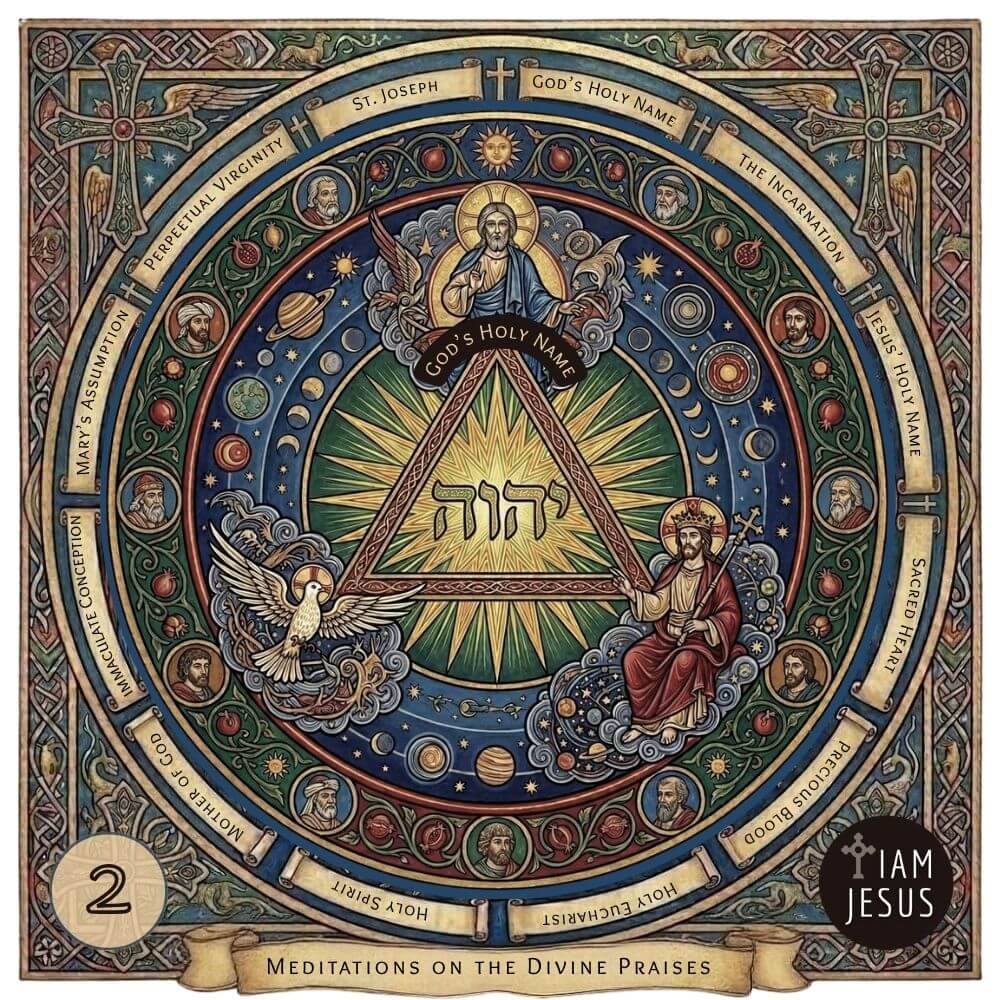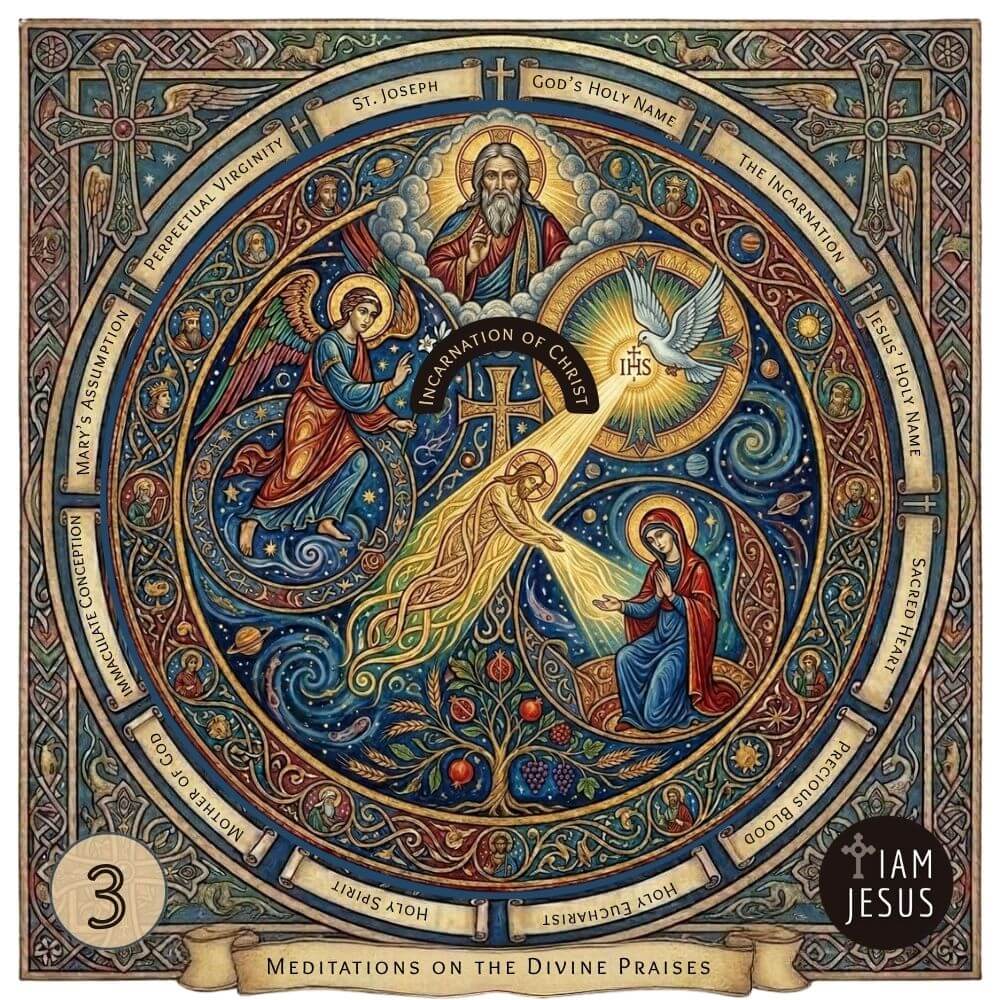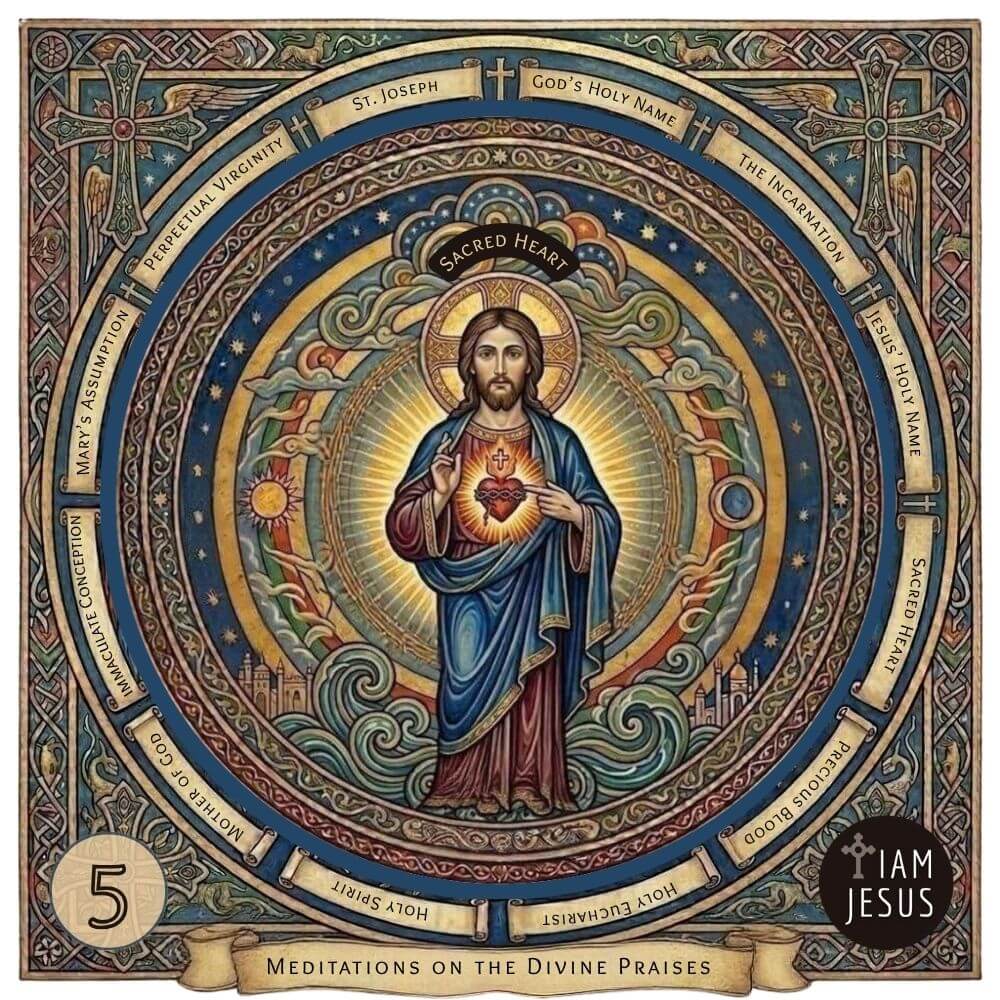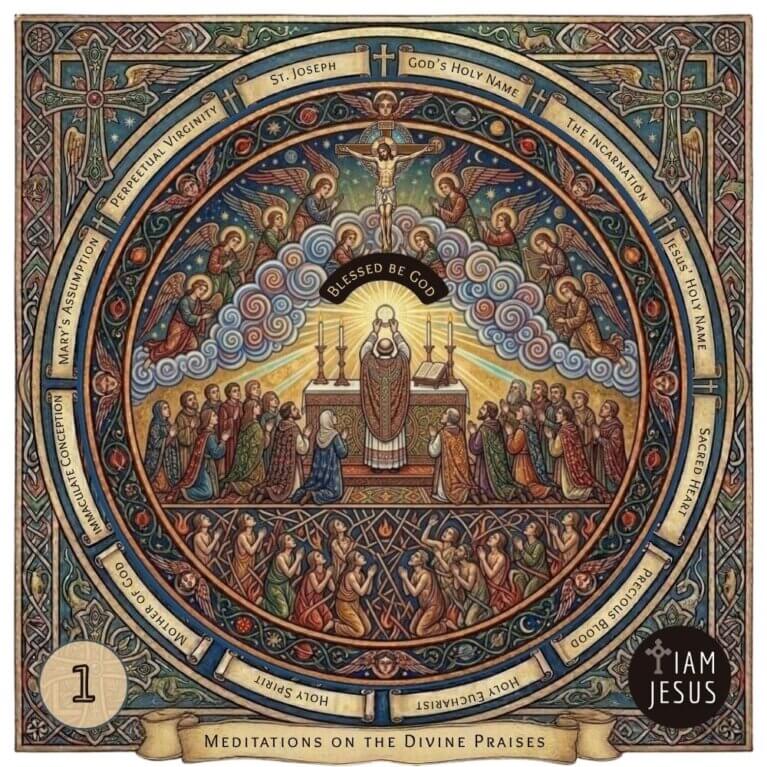
What does “Blessed be God” mean? Why do we bless God? What does it mean to bless God?
The word blessing comes from the Latin word benedictio. Another way to define blessing is to offer “good wishes.”
There are two ways of understanding the word benedictio. We can be blessed by someone with authority over us, and in this way they command “good wishes” come to us. This may be seen in the blessings that God gives us, blessings that we receive from our priests in the form of a benediction prayer, and blessings we receive from our parents.
However, when we bless God, we do not have the authority to command anything. In this way our blessing is a form of praise offered to God. So when we bless God we don’t have an effect on Him. We are simply offering him what is right and just.
When we offer prayers of blessing and praise we aren’t asking God for anything. Instead we are just worshiping him for who he is, and it is our duty to offer him blessing and praise because of who he is.
When we participate in Mass this is the best way we bless God because we receive Jesus in the Eucharist and actively express praise, thanksgiving, and adoration to God through the communal prayers and scripture readings of the Mass. We offer ourselves as a sacrifice of praise and gratitude to God. This is why the Mass is the highest form of worship in the Catholic faith.
And the Catechism also teaches us that when we honor others we bless God.
“One cannot honor another person without blessing God his Creator. One cannot adore God without loving all men, his creatures.”
Catechism, 2069
But Why do we Bless God?
As Christians we need to recognize God’s immense love and mercy in our lives, and in this way blessing God is for our own good. By blessing God, we are actively expressing gratitude for his presence in our lives. So when we pray, “Blessed be God” we are acknowledging his immense love and mercy and reciprocating.
Christians should strive to bless God daily by offering him praise, making sacrifices for his sake, and by caring for those in need. If we can do this, we will align our will with God’s even when we face difficult challenges. Our ability to bless God becomes a powerful tool that helps us grow closer to him and have a virtuous life. Blessing God involves dedicating our lives to serving him in everything we do as a means to glorify him.
Now let’s take a moment to bless God by meditating on Psalm 104. Take a few moments to prayerfully read the following verses. Pause over a word or phrase that catches your attention. When you are finished, take a moment to speak to God your own blessings and praises for him from your heart.
Blessed be God, You are Great Indeed
Bless the LORD, my soul!
LORD, my God, you are great indeed!
You are clothed with majesty and splendor,
robed in light as with a cloak.
You spread out the heavens like a tent;
setting the beams of your chambers upon the waters.
You make the clouds your chariot;
traveling on the wings of the wind.
You make the winds your messengers;
flaming fire, your ministers.
You fixed the earth on its foundation,
so it can never be shaken.
The deeps covered it like a garment;
above the mountains stood the waters.
At your rebuke they took flight;
at the sound of your thunder they fled.
They rushed up the mountains, down the valleys
to the place you had fixed for them.
You set a limit they cannot pass;
never again will they cover the earth.
You made springs flow in wadies
that wind among the mountains.
They give drink to every beast of the field;
here wild asses quench their thirst.
Beside them the birds of heaven nest;
among the branches they sing.
You water the mountains from your chambers;
from the fruit of your labor the earth abounds.
You make the grass grow for the cattle
and plants for people’s work
to bring forth food from the earth,
wine to gladden their hearts,
oil to make their faces shine,
and bread to sustain the human heart.
The trees of the LORD drink their fill,
the cedars of Lebanon, which you planted.
There the birds build their nests;
the stork in the junipers, its home.
The high mountains are for wild goats;
the rocky cliffs, a refuge for badgers.
You made the moon to mark the seasons,
the sun that knows the hour of its setting.
You bring darkness and night falls,
then all the animals of the forest wander about.
Young lions roar for prey;
they seek their food from God.
When the sun rises, they steal away
and settle down in their dens.
People go out to their work,
to their labor till evening falls.
How varied are your works, LORD!
In wisdom you have made them all;
the earth is full of your creatures.
There is the sea, great and wide!
It teems with countless beings,
living things both large and small.
There ships ply their course
and Leviathan, whom you formed to play with.
All of these look to you
to give them food in due time.
When you give it to them, they gather;
when you open your hand, they are well filled.
When you hide your face, they panic.
Take away their breath, they perish
and return to the dust.
Send forth your spirit, they are created
and you renew the face of the earth.
May the glory of the LORD endure forever;
may the LORD be glad in his works!
Who looks at the earth and it trembles,
touches the mountains and they smoke!
I will sing to the LORD all my life;
I will sing praise to my God while I live.
May my meditation be pleasing to him;
I will rejoice in the LORD.
May sinners vanish from the earth,
and the wicked be no more.
Bless the LORD, my soul! Hallelujah!
When we pray Psalm 104, we are doing more than just reading beautiful words—we are stepping into a personal conversation with God. As we praise Him for the wonders of creation, our hearts naturally overflow with gratitude. This beautiful circle of love, where God pours out His blessings and we respond with our own praise, is the very heartbeat of Christian prayer.
The Catechism beautifully describes this encounter:
Blessing expresses the basic movement of Christian prayer: it is an encounter between God and man. In blessing, God’s gift and man’s acceptance of it are united in dialogue with each other. The prayer of blessing is man’s response to God’s gifts: because God blesses, the human heart can in return bless the One who is the source of every blessing.
Catechism, 2626
Now let’s contemplate St. Paul the Apostle’s blessing in Ephesians 1. Slowly meditate on this passage, reflecting on what “Blessed be God” means. Take your time. Pause over a word or phrase that speaks to your heart. Reread the passage again, and then ask God to give you the grace to desire to bless him and praise him from your heart the way the St. Paul does here. If you’d like to write your own blessing in your own words, take a moment to journal.
Blessed Be God the Father of Our Lord Jesus Christ
Let us Pray:
Now that we understand the catechetical meaning of “Blessed be God”, let’s bless God in prayer.
The 1st Catechetical Meditation of the Divine Praises prayer
Let Us Bless God
Eternal Father, I praise you and I bless you because it is right and just. You alone created all things in heaven and on earth and brought me forth out of nothingness and gave me life. In your eternal goodness you bless me and provide for all my spiritual and temporal needs. In my suffering you comfort me. In my need you provide for me. In my ignorance you give me wisdom. When I need guidance you send your Holy Spirit. I bless you with all my heart and offer you adoration and praise in thanksgiving for all you are and all you do. I bless you with my very life in service to your Kingdom. AMEN.
In Conclusion:
We pray “Blessed be God” because it is right and just, and also because we want to make reparations for those who do not believe in God or love him. Our blessings are a loving effort to compensate for those who curse the name of God.
We remember the words that Jesus tenderly spoke from the Cross when he said, “Father, forgive them, they know not what they do” [Luke 23:34].
In the next meditation in our series we will be reflecting on the Holy Name of God and what “I Am” means.
The Divine Praises in English
Blessed be God. Blessed be His Holy Name. Blessed be Jesus Christ, true God and true Man. Blessed be the Name of Jesus. Blessed be His Most Sacred Heart. Blessed be His Most Precious Blood. Blessed be Jesus in the Most Holy Sacrament of the Altar. Blessed be the Holy Spirit, the Paraclete. Blessed be the great Mother of God, Mary most Holy. Blessed be her Holy and Immaculate Conception. Blessed be her Glorious Assumption. Blessed be the Name of Mary, Virgin and Mother.
Blessed be St. Joseph, her most chaste spouse. Blessed be God in His Angels and in His Saints forever. AMEN.
The Divine Praises in Latin
Benedictus Deus. Benedictum Nomen Sanctum eius. Benedictus Iesus Christus, verus Deus et verus homo. Benedictum Nomen Iesu. Benedictum Cor eius sacratissimum. Benedictus Sanguis eius pretiosissimus. Benedictus Iesus in sanctissimo altaris Sacramento. Benedictus Sanctus Spiritus, Paraclitus. Benedicta excelsa Mater Dei, Maria sanctissima. Benedicta sancta eius et immaculata Conceptio. Benedicta eius gloriosa Assumptio. Benedictum nomen Mariae, Virginis et Matris. Benedictus sanctus Ioseph, eius castissimus Sponsus. Benedictus Deus in Angelis suis, et in Sanctis suis. AMEN.
The Divine Praises Prayer on YouTube
Pondering the Divine Praises: The Complete Series
The Divine Praises Series is a 14-part prayer journey made to help you deeply reflect on each line of this beautiful prayer. Through simple stories, scripture, and heartfelt reflections, this series explores the holiness of God, the Sacred Heart of Jesus, and the special place of the Blessed Virgin Mary. It is the perfect companion for a quiet hour in the adoration chapel or for your daily prayer time at home.